
When a blocked drain turns into flooding, sewage backup, or a toilet you are unable to use, waiting can mean water damage, health risk, and bigger drain repairs. Here is how emergency drainage services work, what to do first, and when to call for professional assistance.
Key Takeaways
- A drainage emergency is usually considered anything involving sewage, internal flooding, a completely blocked toilet, or water near electrics.
- Emergency drain unblocking is available 24/7, often with 24/7 phone or freephone helpline coverage, including day, night, weekends, and bank holidays.
- Fast action helps prevent further damage: raw sewage backing up into homes is a biohazard, and standing water can ruin floorboards, rot drywall, short-circuit electrical systems, and weaken a building’s foundation.
- Modern drain clearance uses rodding, jetting, high pressure water jetting, and cctv drain surveys to diagnose and fix the real blockage.
- For more on urgency, read Is a blocked drain an emergency?
What Counts as an Emergency Drain Problem?
Emergency drainage means a drainage problem that threatens people, property, plumbing fixtures, or the drainage system immediately. Common drainage emergencies include blocked drains, sewage backups, and flooding, each requiring specific responses to mitigate damage and health risks.
Call an emergency drain team if you have:
- sewage rising through a toilet, sink, shower, bath, or manhole
- external drains overflowing across paths, garden, or ground
- foul smells or unpleasant smells with visible flooding
- gurgling noises, wastewater backing up, or drains that drain slowly across several rooms
- water near electrics, or people and animals needing to move to safety
Flood emergencies can occur suddenly and require immediate action to prevent damage, including moving people and animals to safety and shutting off power and gas. In a sewage backup, cordon off the affected area and clean the area quickly to avoid contamination.
24/7 Emergency Drain Unblocking & Call-Outs
Emergency drainage services are available 24/7, ensuring that help is accessible at any time of day or night for urgent drainage issues. Many drainage companies offer a freephone helpline that operates 24/7, allowing customers to report emergencies and receive immediate assistance.
A local drainage engineer will aim to respond fast, often within 1–2 hours depending on traffic, access, and coverage. Highest priority call outs include sewage, internal flooding, and a blocked toilet in a single-bathroom home.
Emergency drain unblocking can handle residential and commercial customers, including commercial customers with blocked manholes, kitchens, toilets, showers, baths, external drains, and sewer issues. In a genuine emergency, contact a professional service immediately by phone rather than email.
Ask about pricing before the visit. A reputable emergency plumber or drainage team should explain the charge, minimum first-hour rate, evening rates, and call out charges before work begins.
Common Types of Emergency Drain Blockages
Sudden clogs can cause overflowing toilets, sinks, or manholes, leading to potential property damage. Blocked drains can lead to significant property damage if not addressed promptly, as overflowing pipes can cause water damage to belongings and structural issues.
Typical causes include foreign objects, grease buildup, and tree root intrusion, which can all lead to urgent drainage issues requiring immediate attention. In UK homes built from 1950–2020, old clay pipes, pitch fibre pipework, cracks, broken joints, poorly installed drains, hair, wipes, sanitary products, leaves, silt, and grease are usual causes of pipe blockages.
Most things can be cleared in one job if access is good. A homeowner may only need blocked drain clearance; another situation may reveal long-term drainage issues needing repairs.
How Emergency Drain Clearance Works
Emergency drain clearance is a step-by-step process: assess, unblock, check, and prevent future blockages.
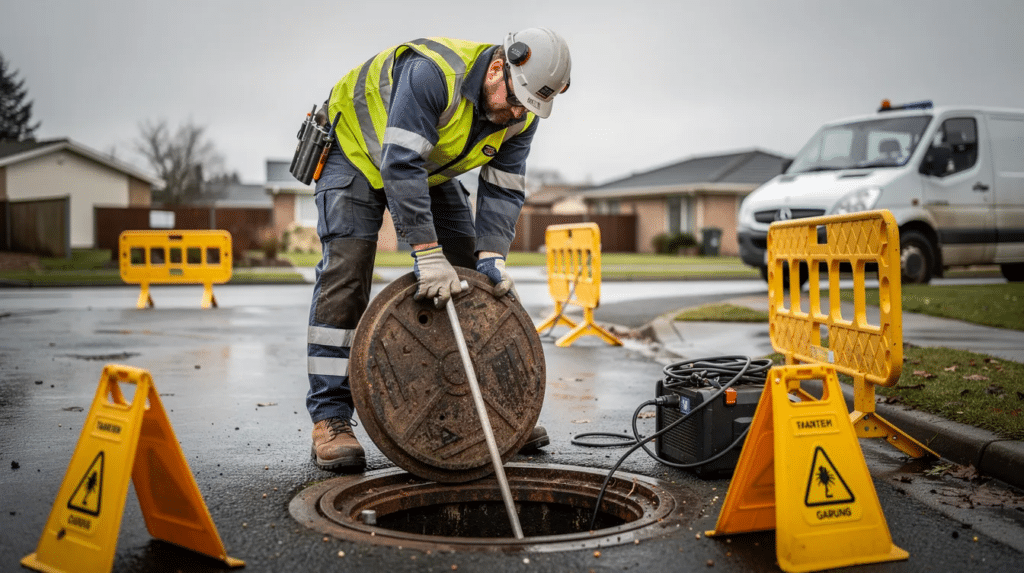
First, experts inspect internal and external drains by hand where safe. They identify whether the blockage is local, shared, or in the main sewer, and who may be responsible. Then plumbers use a plunger, rodding, cutters, or specialist equipment.
Drain jetting, also known as hydro jetting, is an effective method for clearing blocked drains by using high-pressure water to remove stubborn blockages and clean pipes. High pressure water jetting helps with restoring flow by cleaning fat, scale, debris, and sediment from the full pipe diameter.
For severe flooding, emergency teams use high-capacity truck-mounted pumps to quickly extract thousands of litres of standing water and raw sewage. Rapid water extraction prevents standing wastewater from warping your floorboards, rotting walls, or eroding foundations. Specialists eradicate raw sewage, mold, and airborne pathogens that breed rapidly in stagnant pools.
CCTV drain surveys are used to diagnose issues within drainage systems, allowing for accurate identification of problems and necessary repairs. Surveys help diagnose roots, cracks, collapsed pipes, and drain repairs that should be carried out after the immediate fix.
Costs, Call Out Charges & What Affects the Price
Emergency drainage costs more than planned drain cleaning because of urgency, night work, travel, and specialist equipment. In the UK, a simple emergency blocked drain clearance may range from about £120–£200+VAT, with higher cost for jetting, tanker extraction, cctv drain surveys, difficult access, or major repairs.
Before you book, speak to the team and understand what you pay for: first hour, extra time, parts, surveys, and weekend or bank holiday rates. Planned drain unblocking or cleaning is usually cheaper than repeated emergency visits.
Preventing Future Emergency Drain Problems
Regular drain maintenance can help prevent blockages by removing accumulations of debris and sediment that can narrow pipe diameter and slow flow.
Practical tips:
- do not flush wipes, cotton buds, or sanitary products
- avoid pouring fat, oil, and grease into the sink
- insert strainers to catch hair and food debris
- book periodic professional drain cleaning for busy homes or kitchens
- use cctv drain surveys after repeat problems to resolve causes before they happen again
Keep a trusted local emergency drainage number to hand. It gives you a good time advantage when water starts to back up.
FAQ – Emergency Drainage Services
How quickly can an emergency drain engineer reach my home?
In many urban areas, an engineer can often reach you within 1–2 hours. Severe sewage backups, internal flooding, and homes with no working toilet are prioritised. Travel time depends on traffic, distance, and time of day.
Should I try to unblock an emergency drain myself first?
You can try a plunger or clear visible debris from a gully. Do not keep flushing, and avoid repeated chemical cleaners. If sewage is present, electrics are at risk, or water is spreading, shut off water where possible and call professionals immediately.
Do emergency drainage services cover both internal and external drains?
Yes. Most services cover toilets, sinks, baths, showers, manholes, gullies, garden drains, and external drains. Some shared sewers may be the water company’s responsibility, especially in terraced streets, but the engineer can advise on site.
Will a CCTV drain survey always be needed after an emergency unblocking?
No. A one-off blockage may not need a survey. However, repeat blockages, suspected roots, subsidence, cracks, or broken pipes are strong reasons to check with CCTV footage and plan long-term repairs.
Is emergency drain clearance covered by home insurance?
Some policies cover escaped water, sewage damage, trace and access, or structural drainage repairs, but not every blockage. Keep invoices, photos, and CCTV reports, then speak to your insurer for specific guidance.