
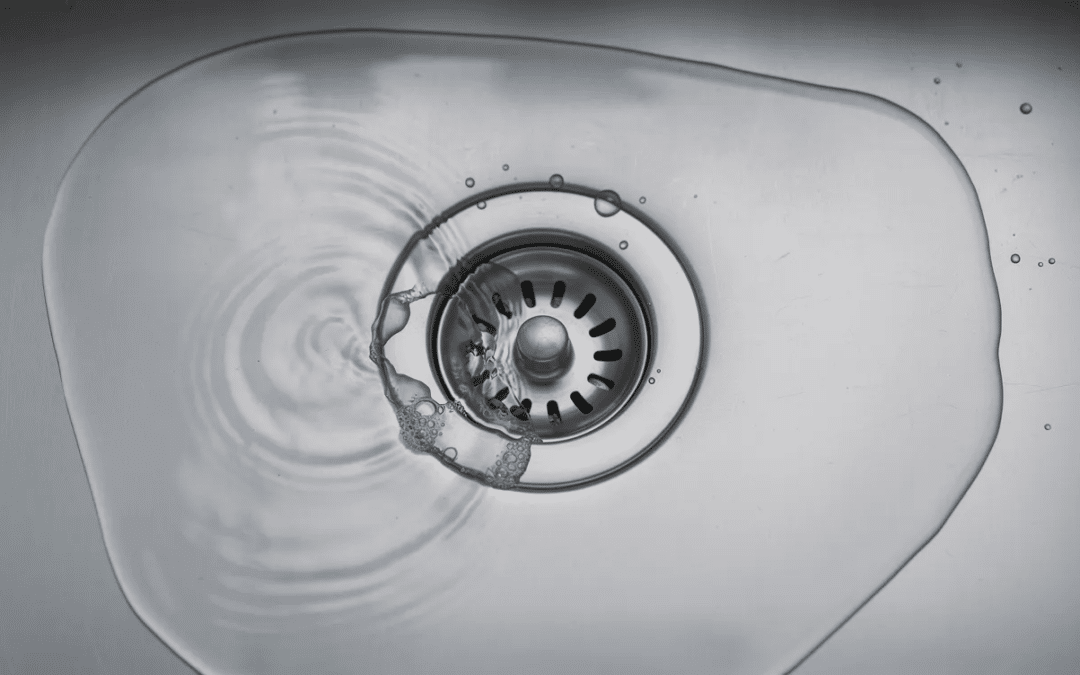
If you’ve ever watched water slowly rise in your kitchen sink or caught an unpleasant smell drifting up from a plughole, you’re not alone. Blocked drains are a real nuisance for Plymouth homeowners, and understanding why they happen is the first step toward keeping your home’s drainage system running smoothly.
Key Takeaways
- Blocked drains are commonly caused by a buildup of materials such as grease, hair, food waste, wet wipes, and tree roots that slowly narrow your pipes until water can’t pass.
- Only flush human waste and toilet paper down your toilet. Keep fats, baby wipes, cotton buds, and sanitary products out of your drains entirely.
- Drains very rarely unblock themselves. Early action prevents property damage and higher repair costs.
- Sewage backing up, a blocked outside drain overflowing, or recurring blockages are reasons to treat the situation as urgent and contact a professional plumber in Plymouth.
- If you’re already dealing with a problem, fast local help is available through Cooper’s Drainage Solutions, Plymouth’s drain unblocking service.
Why Do Blocked Drains Happen?
Blocked drains happen when everyday materials build up inside your pipes, narrowing the opening until water can no longer flow freely.
The usual suspects are fats, oils, and grease from cooking, food scraps, hair, soap scum, baby wipes, cotton buds, sanitary products, excess toilet paper, leaves, mud, and tree roots. Over time, this debris slowly builds into a stubborn blockage. Hard water can also cause mineral buildup inside pipes, compounding the problem in areas with high mineral content.
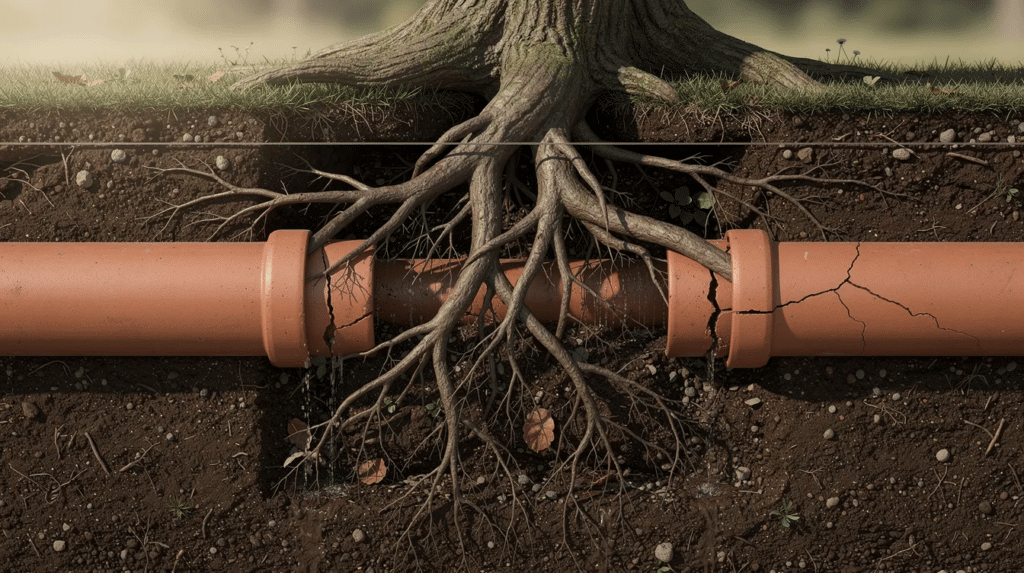
Internal drains (your kitchen sink, bathroom drains, toilets, and shower trays) typically block from things you wash or flush. External pipes and outside drains (gullies, inspection chambers, and sewer connections) tend to block from environmental debris and structural issues like cracked drainage pipe joints or root ingress.
Plymouth’s older properties, many fitted with clay or cast-iron pipework, are especially vulnerable. Coastal ground movement and salt air accelerate corrosion, creating cracks where other debris catches and tree roots enter.
Common causes checklist:
- Fats, oils, and grease poured down kitchen drains
- Hair, soap scum, and other toiletries in bathroom drains
- Wet wipes, sanitary towels, cotton wool, and cotton buds flushed down toilets
- Tree roots entering cracked or damaged pipes underground
- Leaves, silt, and mud washing into outside drains after heavy rain
- Aged or poorly installed pipework with loose joints
What Is the Most Common Cause of Blocked Drains?
In UK homes, the single most common cause of drain blockages is a mix of fats, oils, and grease combined with food waste and wipes. Fats, oils, and grease can solidify and block drains, creating the foundation for serious problems. The same process behind London’s infamous 100-tonne fatbergs starts on a small scale inside your Plymouth home’s pipework every time cooking fat enters a drain.
Kitchen Sink and Utility Room Drains
Pouring cooking oil or fats down the sink leads to solidified blockages in pipes. Hot fat from roasting tins travels in liquid form, then cools and hardens on pipe walls. Food waste can accumulate and clog kitchen drains even with careful habits – coffee grounds, rice, pasta, and potato peelings are particularly troublesome because food scraps can expand and cause drain blockages over weeks.
Picture a typical Plymouth Sunday roast: leftover gravy tipped down the sink on Sunday evening, solidified in the U-bend by Monday morning, and slowly trapping every odd piece of food scraps that follows. Within two weeks, the kitchen sink drains noticeably slower.
Using drain strainers can help catch hair and food particles before they enter your pipes. Scrape plates into the bin and wipe greasy pans with kitchen roll before washing.
Bathroom Drains and Toilets
Hair combined with soap scum creates significant blockages in bathroom drains. Long hair from showers and baths tangles with residue from shampoos, conditioners, and bath bombs, forming a mass that slowly builds in your drainage pipe. Even loose hairs from a bathroom sink can accumulate over time – you’d be surprised how much hair it takes to completely block a pipe. Hair can clump together and block bathroom drains far more quickly than most people expect.
Flushing non-flushable items like wet wipes leads to toilet blockages. Baby wipes do not break down and can clog drains, regardless of what the packaging claims. Sanitary products, sanitary towels, cotton buds, dental floss, and nappies should always go in the bin, not the toilet. Even extra-thick, luxury toilet paper increases blockage risk in older Plymouth properties with narrow soil pipes.
Only flush bodily waste and toilet paper to prevent clogs in toilets.
Outside Drains and Sewer Connections
Outside drains often block due to leaves, twigs, moss, and soil washed in by heavy South West rain. If your drain cover is clogged with debris, excess water has nowhere to go.
Tree roots from common UK species such as sycamore, willow, and conifers seek out moisture and can infiltrate pipes through tiny cracks. Tree roots can infiltrate pipes and block outside drains, eventually causing pipe collapse if left untreated.
A blocked outside drain near the kitchen often combines food grease from indoors with leaves and silt outdoors. Driveway or patio works carried out over the last 10–20 years can also leave damaged pipes with misaligned joints where waste catches. These situations typically require professional drain unblocking rather than a quick DIY fix.
Are Blocked Drains an Emergency?
Some blocked drains are an emergency – sewage backing up into your home, a blocked toilet when it’s the only one in the house, dirty water flooding living spaces – while slow sinks and minor bathroom blockages are urgent but not immediate emergencies. For a deeper breakdown, read our full guide on whether a blocked drain is an emergency.
Sewage carries bacteria that pose health risks to children, pets, and adults. Ignoring an emergency blockage can lead to soaked carpets, warped floorboards, damp walls, and mould. Overflowing pipes indicate a significant blockage in the system and should never be left.
Myth vs fact:
- A bad smell alone doesn’t always mean an emergency – it may be a dry trap or minor clog.
- Sewage overflowing outdoors or indoors is always serious.
- Recurring blockages often point to structural damage, not just a one-off problem.
If you’re unsure whether your situation is urgent, our guide on when a blocked drain becomes an emergency can help you decide.
Do Drains Unblock Themselves?
Drains very rarely unblock themselves. At best, a very small, soft build up may slowly pass, but most blockages worsen over time and lead to serious drainage problems if left untreated.
Materials like fat, hair, wipes, cotton buds, and food scraps do not completely dissolve once stuck in a bend or narrow section of pipe. The typical pattern Plymouth homeowners see: occasional gurgling sounds or slow draining that seems to go away for a few days before returning worse. The blockage is growing, not shrinking.
Myth vs fact:
- Pouring extra chemical cleaner randomly often damages older pipes without fixing the root cause.
- A blockage that temporarily clears then returns usually signals a deeper issue like partial pipe collapse or root ingress.
- If water drains eventually, all is not necessarily well – deterioration may already be underway.
If your drain is blocked repeatedly, a CCTV drain survey can pinpoint the exact problem and save you from guesswork.
What Will Unclog a Drain Quickly?
For most household blockages, the fastest safe methods are plunging, using hot water with soda crystals or baking soda, and – for tougher clogs – professional drain unblocking with specialist equipment. The best approach depends on whether the blockage is in your kitchen sink, bathroom drains, toilet, or a blocked outside drain.
Safety warning: Never mix different chemical drain cleaners. Avoid using metal tools that can scratch or damage pipes.
Fast DIY Methods for Minor Blockages
Grab rubber gloves, a bucket, a plunger, and your kettle. Here’s what to try:
- Pour boiling water slowly down the drain in stages – a litre at a time – followed by washing-up liquid. Boiling water can dissolve grease blockages in drains, but only works on small, recent build ups.
- Soda crystals: Pour boiling water first, then add a cup of soda crystals. Wait 10 minutes, then flush with more hot water. Soda crystals can be used to clear blockages in drains effectively for kitchen and bathroom sinks.
- Baking soda and vinegar: Baking soda and vinegar can effectively clear minor blockages. Pour half a cup of baking soda followed by vinegar, let it fizz for 15 minutes, then flush with boiling water.
- Plunging: Create a firm seal over the plughole and use strong, repeated plunges. Works well on sinks, shower trays, and toilets.
Chemical cleaners can effectively clear tough drain blockages involving hair and soap, but use them exactly as instructed and keep them away from older clay or cast-iron pipes. Bath salts and bath bombs residue can also contribute to build up, so consider reducing their use if your bathroom drains are slow.
When Quick DIY Fixes Are Not Enough
If repeated DIY attempts only partly improve flow, the blockage is likely deeper along the pipe and beyond easy reach. Destruction of drain blockage at that point may require professional assistance.
Skip further DIY and call a drainage contractor if:
- The same drain keeps blocking after clearing
- Water backs up when other fixtures are used
- A blocked outside drain is overflowing onto paths or lawns
- You suspect tree roots or damaged pipes
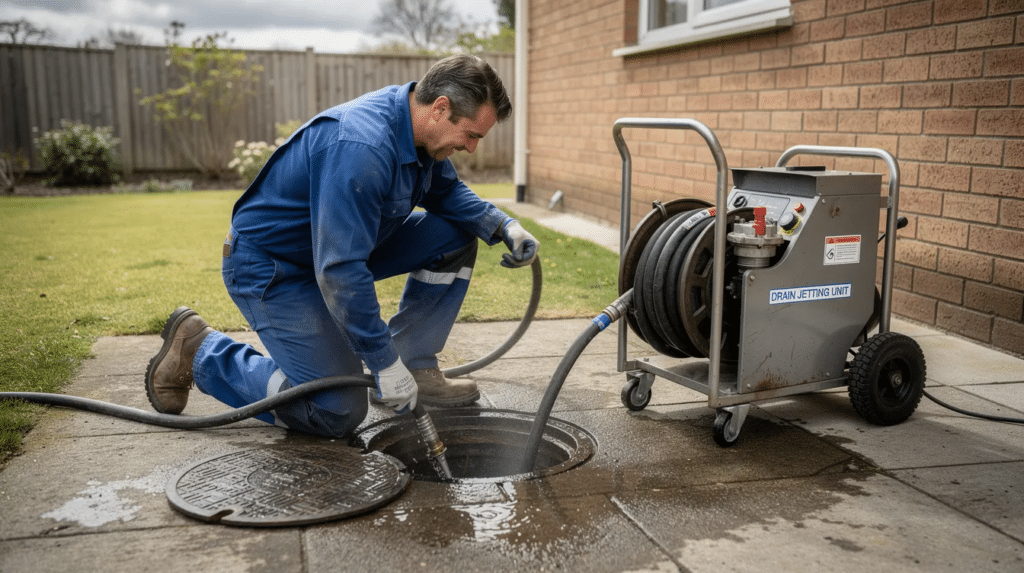
A drain snake can help remove stubborn clogs from pipes, but professional plumbers use high-pressure water jetting, drain rods, and CCTV cameras to clear and diagnose problems quickly. A local Plymouth drain unblocking engineer can often resolve severe blockages in under an hour – quicker and cheaper than letting repeated DIY attempts damage your pipes further.
What Are the Signs of a Serious Drain Blockage?
The telltale signs of a blocked drain include slow drainage across multiple fixtures, unpleasant smells, gurgling noises, overflowing drains, and damp patches. Recognising the first signs early lets you act before the situation becomes a full emergency.
Slow Draining Across Sinks, Baths and Showers
Slow draining indicates a potential blockage in the pipes. If water drains slowly in both the kitchen sink and an upstairs bathroom, the problem is likely in a shared waste pipe rather than a single plughole. A simple at-home check: run a tap while watching the nearest outside drain or gully. If water pools there, the main line is affected.
Unpleasant Smells From Drains or Outside Manholes
Bad smells often signal rotting waste trapped in drains. Lingering unpleasant smells coming from sinks, showers, or toilets indicate organic material decaying inside the pipework. A strong sewage smell near a manhole or outside drain warns of a partially blocked sewer connection. Smells that worsen when water drains – dishwasher running, washing machine cycling – suggest a serious blockage rather than a simple dry trap.
Gurgling Noises and Air Bubbles
Gurgling noises suggest air bubbles trapped in the drainage system. If your toilet gurgles when the bath empties, or your bathroom sink makes odd sounds when the shower runs, air is struggling to pass a blockage. These gurgling sounds are an early warning sign – don’t ignore them even if water still drains eventually.
Overflow, Backing Up and Damp Patches
The most serious symptoms: dirty water or sewage backing up into toilets, showers, or floor drains. Damp patches may form due to leaking pipes from blockages, appearing in your garden or against walls. If water is already backing up, stop flushing toilets and running taps to avoid flooding.
When these signs of a blocked drain cross into emergency territory, don’t wait – professional help is essential.
When to Call a Professional in Plymouth
Call a professional drainage engineer when DIY methods fail, multiple fixtures are affected, or sewage is visible. Plymouth homeowners should seek local help for recurring blocked pipes, a blocked toilet that won’t clear, suspected tree root problems, or older properties with frequent drainage problems.
A local engineer can quickly determine whether the blockage sits within your property boundary in private pipework or further along in the shared sewer. Professional services include CCTV drain surveys, high-pressure jetting, and repairs to cracked or collapsed pipes.
For urgent overnight or weekend problems, Blocked Drain Plymouth offers 24/7 emergency call-outs with no hidden fees, clear quotes, and local engineers who understand Plymouth’s common drainage layouts and coastal soil conditions.
Final ThoughtsF
Most blocked drains start with everyday habits – what goes down your kitchen sink, bathroom drains, and toilets. Keeping fats, oils, food scraps, baby wipes, cotton buds, sanitary products, and foreign objects out of your drains prevents the vast majority of blockages.
If a drain is blocked repeatedly, smells strongly, or causes water to back up, it’s time to involve a professional rather than hoping the problem resolves itself. To prevent blocked pipes long-term, adopt simple habits and keep an eye on outside drains, especially after heavy Plymouth rain.
For more on recognising emergencies, revisit our guides on whether a blocked drain is an emergency and when the situation becomes urgent.
Need fast, local help? Coopers drainage solutions Plymouth provides 24/7 drain unblocking across Plymouth – no hidden fees, clear pricing, and local engineers who can reach you quickly. Get in touch today.
FAQs About Blocked Drains in Plymouth
Who is responsible for a blocked outside drain in Plymouth?
Homeowners are usually responsible for drains within their property boundary. South West Water normally handles shared sewers and public pipes beyond that point. If you’re unsure where the problem lies, a drainage contractor can help identify whether the blockage is in your private pipework or the public network – it’s worth checking with neighbours too, as a shared blockage may affect multiple properties.
How much does it typically cost to unblock a drain in Plymouth?
Costs depend on location and severity. A simple internal blockage in a sink or toilet might cost £60–£150 to clear, while deeper issues needing high-pressure jetting typically run £150–£250. CCTV surveys and root-related repairs cost more. Blocked Drain Plymouth offers clear, upfront pricing so you know exactly what to expect before any work begins.
How can I stop my drains blocking so often?
Scrape plates into the bin before washing up, and never pour fat or oil down the sink. Use hair catchers in your shower and bath to trap loose hairs before they clog pipes. Only flush toilet paper and human waste. Periodically flush your kitchen drains with hot water and a small amount of soda crystals to break down any early grease build up.
How often should I have my drains checked?
Most homes don’t need annual surveys. However, properties with a history of drain blockages, large trees nearby, or older clay and cast-iron pipework benefit from a CCTV drain survey every few years – particularly before major renovations or selling the property.
Can heavy rain in Plymouth cause my drains to block?
Heavy South West rainfall can wash leaves, soil, and other debris into outside drains, overwhelming already part-blocked pipes and causing sudden overflow. Regularly clearing leaves and debris from your drain cover and grates helps. If your outside drains keep overflowing after rain, contact a professional – the problem is likely a deeper blockage that needs proper clearing.