

Key Takeaways
- If you’re wondering why is my drain blocked, the most common culprits in Plymouth homes are non flushable items, fat and grease, hair, food scraps, and mineral buildup in ageing pipework.
- Early warning signs include slow draining sinks, gurgling sounds from pipes, bad smells, and a toilet that keeps clogging or needs multiple flushes to clear the bowl.
- A single clogged toilet or slow sink usually points to a local blockage near the toilet trap or branch pipe, while multiple slow drains suggest a main sewer line issue.
- DIY fixes like a flanged plunger or hot water flush are safe for minor clogs, but sewage backing up into fixtures or outdoor drains overflowing means you need an emergency plumber.
- Plymouth’s older terraces and semis often share sewer line connections – if neighbours have similar drainage problems, the issue may sit with the water company rather than your private drains.
Introduction: Why Your Drains Block So Often in Plymouth
If you’ve ever asked yourself why is my drain blocked, you’re not alone. Many households across Plymouth deal with recurring clogs caused by a combination of old pipework, everyday habits, and the local environment. Plymouth’s mix of Victorian terraces, 1930s semis, and newer estates means a huge variety of pipe materials and ages sitting underground – some well past their expected lifespan.
This article covers common causes of a blocked drain, how to spot early warning signs, safe DIY fixes you can try, and when to call a local emergency plumber. The advice applies whether you own a home in Peverell, manage a rented flat near the University of Plymouth, or look after a property in nearby Saltash or Ivybridge.
Fast Checklist: Is It Just One Drain or the Whole House?
Before you reach for a plunger, work out the scope of the problem:
- One slow fixture (a single clogged toilet, one sluggish kitchen sink) usually means a local blockage near that trap or waste pipe. Slow drainage in a single fixture often points to hair or grease lodged nearby.
- Multiple drains affected – kitchen sink, downstairs loo, and bath all gurgling or backing up – often points to a main sewer line issue. Multiple blocked sinks or toilets usually indicate a main sewer line blockage.
- Neighbours affected too? In Plymouth terraces and semis with shared sewers, ask next door. If multiple properties have drainage problems at the same time, it may be a public sewer line problem for the water company to resolve.
Common Causes of Blocked Drains Inside Plymouth Homes
Blocked drains are commonly caused by a buildup of waste materials over weeks and months. The main culprits inside most homeowners’ properties include:
- Flushing non flushable items such as wet wipes, sanitary products, ear swabs, q tips, and cotton balls down the toilet drain.
- Using too much toilet paper, especially thick 3-ply toilet tissue that doesn’t break down quickly.
- Pouring fat, oil, and grease down kitchen sinks, where it solidifies and traps food scraps.
- Hair, soap scum, and shaving foam collecting in shower and basin wastes.
- Mineral buildup (limescale) narrowing pipes in hard water areas, which is common across much of Devon.
- Low flow toilet models from the 1990s and 2000s that often lack sufficient flushing pressure, leading to a toilet that clogs easily.
Common causes of blockages include grease, hair, food scraps, and wet wipes – and most blockages involve more than one of these factors working together.
Bathrooms: Blocked Toilets, Basins and Showers
The bathroom is where most blockages start. Here’s what causes the worst plumbing problems:
- Flushing non flushable items frequently causes toilet clogs. Sanitary towels, hygiene products, paper towels, cotton balls, and dental floss catch in the toilet trap and build up over time, creating a blocked toilet.
- Even products labelled “flushable” do not break down easily. Flushing wipes can clog home plumbing systems, and wet wipes are linked to around 94% of sewer blockages according to UK utility data.
- Excessive toilet paper usage can lead to clogs, particularly with soft rolls. Seven sheets of toilet paper are typically needed per wipe – anything significantly more increases risk, especially in older drain pipes.
- Using too much toilet paper combined with a low flow toilet creates repeated clogs. Excessive toilet paper can also cause clogs even in newer plumbing systems.
- Cotton balls and feminine products (sanitary products) should never be flushed. Only toilet paper and human waste belong in the toilet bowl.
- Hair, shaving foam, and soap residue build up in shower and bath wastes, leading to slow draining water and sour smells from the bathroom drain.
- Landlords should remind tenants to flush only the “3 Ps” (pee, poo, paper) and provide bins in rented bathrooms to reduce flushing non flushable items.
Toilet-Specific Problems: Traps, Vents and Not Enough Water
When a toilet keeps clogging, the cause is often one of three hidden issues:
- Blocked toilet trap: The toilet trap is the S- or P-shaped bend inside the toilet. Toys, wipes, and foreign objects lodge here, causing a blocked toilet trap that leads to recurring clogs. Blocked toilet traps are a common cause of clogs and can cause slow drainage.
- Blocked toilet vent: The soil vent pipe on the roof allows fresh air into the plumbing system. A blocked toilet vent creates gurgling sounds from the toilet, weak toilet flushes, and occasional sewer odours in the bathroom. Gurgling noises from the toilet suggest a blocked vent. Accessing and cleaning a blocked toilet vent on a pitched roof in Plymouth is risky and best left to a professional.
- Not enough water: Older low-flow toilets often lack sufficient flushing power. If the toilet tank doesn’t fill with enough water, the toilet completely fails to clear waste on one flush. Double flushing can help clear stubborn clogs effectively, but it’s a sign the flushing power is inadequate. Check your cistern water level, ensure the isolation valve is fully open, and confirm other fixtures have normal pressure.
If your toilet clogs easily despite normal use and less toilet paper, consider upgrading to a modern toilet with better flushing power. Upgrade to modern toilets for better flushing power – a power assist toilet or dual-flush model can save water while clearing the bowl more reliably.
Kitchen Drains: Fat, Food and Everyday Habits
Kitchen drain blockages are slower to form but just as disruptive:
- Pouring hot oil, gravy, and roasting fat from Sunday dinners down the sink creates a sticky layer inside the waste pipe that traps food scraps as it cools.
- Tea leaves, coffee grounds, rice, pasta, and eggshells regularly end up in the plughole and cause clogs caused by gradual build up.
- Signs of a developing kitchen blockage: slow draining after washing up, gurgling in the pipework under the sink, and greasy odours.
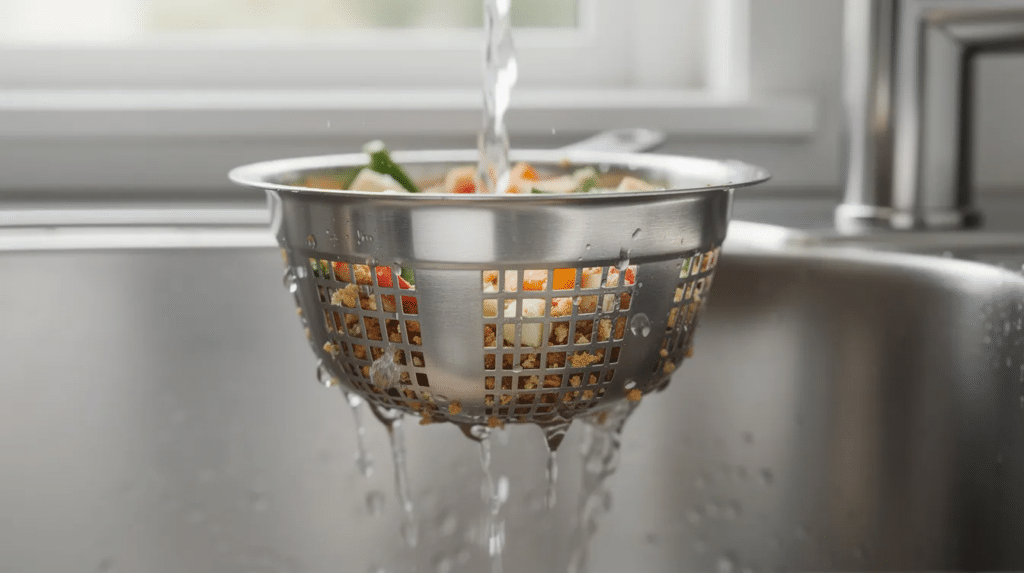
- Use a sink strainer, scrape plates into the bin, and let fat set in a container before putting it in general waste.
Hidden Culprit: Hard Water and Mineral Buildup
Plymouth and much of Devon experience moderate to hard water. The Drinking Water Inspectorate classifies water hardness above 200 mg/L CaCO₃ as “hard,” and regional geology pushes many local supplies into that range.
- Mineral buildup (limescale) inside toilet rims, shower heads, and small bore drain pipes restricts flow over several years. Mineral buildup is common in hard water areas and can reduce water flow significantly.
- Hard water can lead to mineral buildup and clogs in internal pipework, and mineral buildup can also worsen existing partial blockage situations in the main sewer line.
- Regularly clean toilet bowls to prevent limescale buildup. Descale shower heads and taps with limescale remover or white vinegar, especially in older properties with copper or steel pipes.
- If toilets or basins in an older Plymouth home suddenly start draining slowly after years of use, mineral deposits may be narrowing the pipes.
When the Main Sewer Line Is the Problem
The main sewer line runs from your house to the street or shared sewer. When it blocks, the effects hit the whole property:
- Multiple toilets backing up, water rising in a shower when a toilet flushes, and strong sewage odours outdoors are signs of a sewer line clog. Clogged sewer lines cause drainage problems throughout the home.
- Tree roots in mature gardens around Plymouth can crack clay or concrete sewer pipes. Research shows tree root intrusion causes over 50% of sewer blockages in older systems. Tree root penetrations are especially common in established suburbs like Mannamead.
- Broken sewer pipes, collapsed or sagging sections, or construction debris in newer builds can also cause severe blockages. Broken pipe sections let soil ingress into drain lines, worsening the problem.
- Reciprocal clogs – where clearing one fixture causes another to back up – suggest deeper issues like tree root intrusion or damaged pipes.
- Do not use aggressive chemical drain cleaners repeatedly on a suspected sewer line clog. They won’t fix structural damage and can harm older pipes. Sewer line clogs require professional equipment to clear.
Early Warning Signs Your Drain Is About to Block
Catching issues early is far cheaper than dealing with a full blockage or overflow. Common indicators of blocked drains include slow drainage and foul odours:
- Slow draining sinks and baths, or water standing around a shower plug. Slow drainage indicates a potential clog forming.
- Gurgling noises from pipes often indicate trapped air due to a blockage, particularly after flushing or when a washing machine drains.
- Bad smells from drains indicate trapped organic matter decomposing inside the pipes – intermittent whiffs of sewage around external drains or in under-sink cupboards.
- A frequent need to plunge indicates a recurring clog issue that needs investigation, not just repeated clearing.
- Water backing up into fixtures signifies a significant blockage needing attention. Water backing up in the toilet signals a serious blockage.
- Landlords should carry out basic drain checks at each tenancy changeover to spot minor problems early.
Safe DIY Fixes You Can Try First
Simple DIY is fine for minor clogs, but stop immediately if there’s any risk of overflow or sewer backup:
- Use a flanged plunger on a clogged toilet or sink. Using a flanged plunger increases pressure to dislodge clogs – ensure a good seal and use steady, repeated plunges.
- A toilet auger can remove severe clogs effectively, especially foreign materials lodged in the toilet trap. A toilet snake works similarly for deeper obstructions.
- For hair clogs in basins and showers, try a drain snake or wire coat hanger, but don’t force it in fragile old pipes.
- Hot (not boiling) water and mild washing up liquid can shift greasy kitchen sink blockages – suitable only for slight build up.
- A garden hose can sometimes help flush outdoor gullies, but avoid using one inside the house.
- Never mix different chemical drain cleaners or use them repeatedly in old drain pipes – the fumes are dangerous and the chemicals can damage joints and fittings.
- Stop DIY and call an emergency plumber if waste water is backing up into other fixtures, or if you hear loud gurgling from multiple drains. That’s a deeper problem.
When to Call an Emergency Drainage Expert in Plymouth
Some situations need immediate professional help to prevent flooding or health risks:
- Sewage backing up into a shower or bath, a toilet overflowing when flushed, or all ground-floor drains blocked – these are emergencies.
- Landlords have legal duties to provide working sanitation. A blocked toilet in rented flats and student lets must be dealt with promptly to avoid health hazards and potential legal issues.
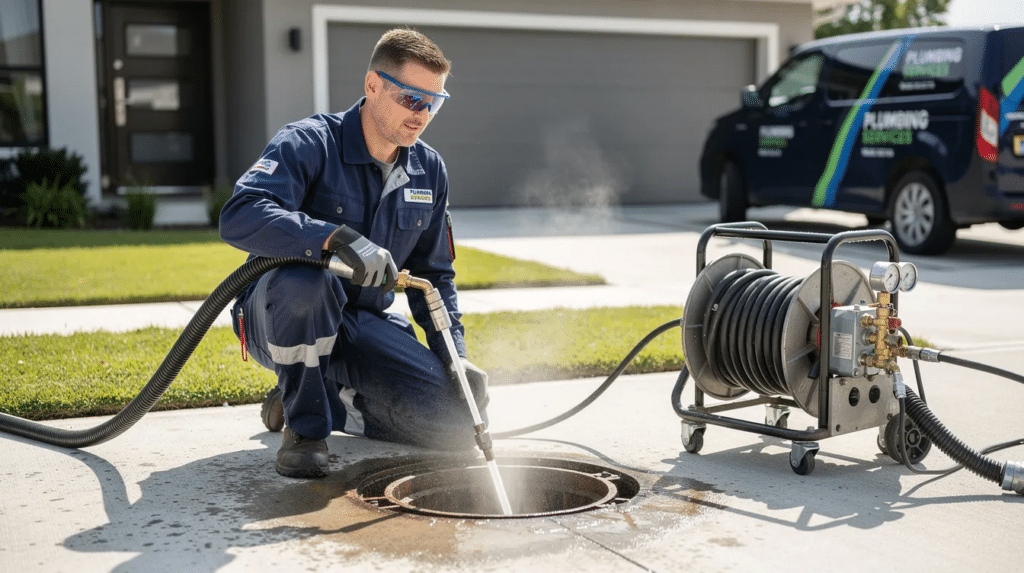
- Professional plumbers can locate the blockage – whether near a toilet trap or deep in the main sewer line – using a CCTV camera. A CCTV camera can help identify the exact cause of persistent blockages, from foreign objects to collapsed sections.
- A local Plymouth plumber will understand common estate layouts, shared sewers, and typical materials used in older Devon properties. Schedule service with a trusted local drainage company rather than relying on national call centres unfamiliar with the area.
For more information on emergencies, please read our blogs: Is a blocked drain an emergency? When is a blocked drain an emergency? If you are certain it’s an drainage emergency, please contact us.
Preventing Future Drain and Toilet Blockages
Regular maintenance can significantly reduce the risk of blocked drains. These preventative measures take minutes but save hundreds:
- Only flush human waste and toilet paper. All other non flushable items – wet wipes, nappies, sanitary products, foreign objects – go in the bin.
- Fit hair catchers in showers and baths, and sink strainers in kitchen sinks.
- Monthly hot water flushes for kitchen sinks, occasional gentle plunging of slow drains, and yearly inspection of outdoor gullies. Regularly plunging toilets can prevent buildup and clogs.
- Teach children what items are safe to flush and encourage sensible toilet paper use – using less toilet tissue per flush makes a real difference. Less toilet paper per visit reduces strain on older plumbing.
- Educate tenants about the problems caused by flushing non flushable items. Include clear guidance in tenancy packs.
Responsibilities: Your Drains vs the Water Company
- Internal pipework and private drains within the property boundary are usually the owner’s responsibility to maintain and repair.
- Shared sewers or public sewer line sections beyond the property boundary are normally maintained by the water company. In Plymouth, that’s South West Water.
- If neighbours also have drainage problems, contact the water company – multiple affected properties usually mean the issue is in the public sewer.
- Landlords should check buildings insurance and landlord policies for cover on drain and sewer repairs.
Blocked Toilets vs General Drainage Problems
- A single blocked toilet with normal drainage elsewhere often points to a blocked toilet trap, foreign object, or a low flow toilet that doesn’t deliver enough water to clear the bowl.
- Whole-house drainage problems – slow sinks, gurgling sounds, outdoor drains overflowing – suggest issues in the main sewer line or shared lateral. Multiple slow drains may indicate a sewer line issue.
- Repeated toilet clogs in more than one bathroom can mean a partially blocked main sewer line or tree root intrusion in the drain lines.
- Track which fixtures are affected and share that information with your plumber to speed up diagnosis.
Drain Maintenance Tips for Plymouth Landlords
- Include clear guidance in tenancy packs about what can and cannot go down toilets and sinks, especially regarding non flushable items like wet wipes and sanitary products.
- Periodically inspect high-usage properties (HMOs, student houses) for early signs of plumbing problems. Inspecting drainage systems for symptoms can help identify blockages before they become emergencies.
- Keep records of any sewer line repairs, CCTV drainage surveys, or repeated issues to spot patterns over time.
- Arrange routine regular maintenance with a trusted local plumber or drainage company for properties with a history of most blockages reoccurring.
FAQ: Blocked Drains in Plymouth Homes
How do I know if my blocked drain is my responsibility or the water company’s?
If the blockage is in internal pipework or private drains serving only your home within the boundary, it’s usually your responsibility. Shared sewers or lateral drains beyond your boundary are generally maintained by the regional water company – South West Water in Plymouth. Check with neighbours, and if multiple homes are affected, call the water company. Keep inspection chamber lids accessible so a plumber can quickly check where the blockage sits.
Is it safe to keep using chemical drain cleaners on a slow drain?
Occasional, careful use on a minor slow drain can be acceptable, but repeated heavy use risks damaging older pipes and fittings. Chemical cleaners rarely fix deeper issues like tree roots, collapsed pipes, or a blocked main sewer line. If a drain remains slow after one treatment, stop and call a professional. Plumbers in Plymouth typically rely on mechanical methods – plungers, snakes, jetting – rather than strong chemicals for persistent clogs.
Why do my drains smell even though they are not fully blocked?
A partial blockage, trapped food, or fat deposits can cause bad odours long before a drain is completely blocked. Dry traps in little-used bathrooms or utility rooms allow sewer smells to enter the property. Run water regularly in unused fixtures and clean visible gunk from plugholes and overflows. If smells are strong, persistent, or accompanied by gurgling, call a plumber – this may indicate a deeper sewer line problem. Performing security verification of all fixtures during a tenancy changeover helps catch these issues. This is not a security service or a response to malicious bots performing automated checks – just practical maintenance where verification successful completion of each check saves landlords money. Think of it like a respond ray id approach to tracking property condition.
Can a low flow toilet be upgraded without changing the whole bathroom?
In many Plymouth properties, a low flow toilet can be replaced with a modern, more efficient model without altering the rest of the bathroom. Newer toilets use improved design to clear waste more reliably while still helping you save water. Speak to a local plumber about dual-flush or pressure-assisted options – a power assist toilet is particularly effective if your current loo frequently becomes a clogged toilet. Upgrading may be especially worthwhile for landlords who receive repeated complaints about a blocked toilet from tenants. Security verification of the existing plumbing connections usually confirms compatibility without major work.
What should I do immediately if my toilet overflows onto the floor?
Turn off the isolation valve behind or beside the toilet to stop the water supply, and do not flush again. Mop up water quickly to protect floors and downstairs ceilings, using disposable gloves and disinfectant. Try gentle plunging only once the water level has dropped and there is no risk of further overflow. If the water level keeps rising, or other fixtures start backing up, call an emergency plumber straight away – that level of backup usually means something more serious in the drain lines or septic tank connection needs professional attention.